Working Hours
Meraki Esthetique
Monday-Friday: 8am - 5pm
Saturday: By appointment only
Sunday: Closed
The MedLounge
Monday-Saturday: 8am - 4pm
Walk-ins accepted


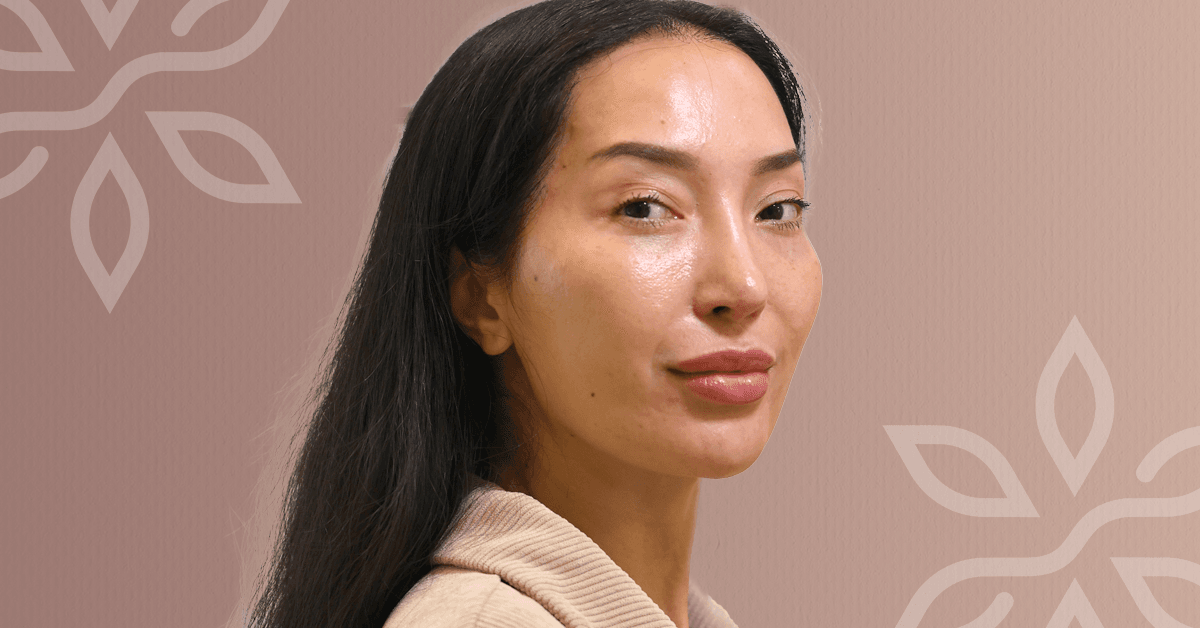
A facelift is one of the most misunderstood aesthetic procedures today. Many people still associate facelifts with overly tight skin, unnatural results, or long recovery periods. However, modern facelift techniques have evolved significantly, offering more refined, natural-looking outcomes with personalized treatment plans.
At Meraki Esthetique, advanced facial rejuvenation procedures such as the Deep Plane Facelift are guided by The Meraki Method™ and designed to achieve Meraki Facial Harmony: restoring youthful contours while maintaining natural facial expressions.
In this article, we debunk three of the most common facelift myths and explain how modern techniques are changing the way people view facial rejuvenation.
One of the biggest misconceptions about facelift surgery is that it automatically creates an overly stretched or artificial appearance. In reality, the outcome depends largely on the surgical technique used and the expertise of the surgeon.
Traditional facelift methods often focused heavily on tightening the skin alone. While this can improve sagging, excessive skin tension may sometimes create an unnatural appearance. Modern techniques take a more comprehensive approach by addressing deeper facial structures.
A Deep Plane Facelift, for example, repositions the deeper layers of facial tissue and muscles rather than simply pulling the skin tighter. This allows the face to maintain its natural movement and expression while restoring youthful definition.
Benefits of a modern facelift approach may include:
The goal of modern facelift surgery is not to make someone look different. Instead, it is designed to help patients look refreshed, rested, and more youthful while preserving their natural identity.
Another common myth is that facelifts are only suitable for older individuals. The truth is that facelift procedures are based on facial aging signs rather than a specific age number. Some individuals may begin noticing skin laxity, jowling, or deep facial folds in their 40s or even earlier, depending on genetics, lifestyle, sun exposure, and skin quality.
Patients often consider facelift surgery when they notice:
Many younger patients achieve highly effective results because their skin elasticity and tissue quality remain relatively strong. Early intervention can also create more subtle and natural-looking improvements compared to waiting until facial aging becomes more advanced.
The best time to consider a facelift is when signs of aging begin to bother you personally, not when you reach a certain age bracket.
Recovery after facelift surgery varies from person to person. There is no single recovery timeline that applies to everyone. Several factors influence healing and downtime, including:
Advanced facelift techniques often focus on minimizing trauma while maximizing natural results, and patients who carefully follow aftercare instructions typically experience smoother recovery periods. Most patients can expect temporary swelling and bruising during the initial healing phase, but recovery experiences differ significantly depending on the individual case.
Following your surgeon’s guidance is one of the most important factors in achieving optimal healing and long-lasting results.
A Deep Plane Facelift is considered one of the more advanced facelift techniques available today. Unlike traditional methods that primarily tighten the skin, it works on the deeper facial muscles and connective tissues known as the SMAS layer. By repositioning these deeper structures, the procedure creates more natural facial rejuvenation without excessive tension on the skin.
This technique is especially effective for improving:
Many patients prefer the Deep Plane Facelift because it can provide:
Because the deeper facial structures are addressed directly, results often appear softer and more youthful rather than tight or overdone.
At Meraki Esthetique, every facelift begins with The Meraki Method™, our approach to planning surgery together with you. Your vision. Our expertise. A plan created together.
The method follows a simple principle: 50% what the patient wants and 50% the surgeon’s experience. Your goals set the direction, and the surgeon’s expertise shapes how to achieve them safely and naturally. The result of that partnership is Meraki Facial Harmony.
Meraki Facial Harmony is the outcome we work toward in every procedure. It means results that are balanced, natural, and uniquely aligned to your face, rather than driven by trends.
Meraki Facial Harmony rests on three pillars:
For a facelift, Meraki Facial Harmony means:
Every face ages differently, which is why facelift procedures should always be personalized according to the patient’s anatomy, concerns, and goals. Consulting with an experienced aesthetic surgeon is the best way to determine the most appropriate treatment plan for your needs.
At Meraki Esthetique, facelift procedures follow The Meraki Method™ and are tailored to achieve Meraki Facial Harmony: balanced, refined, and natural-looking outcomes, with patient safety and individualized care always first.
Disclaimer: This article is for educational purposes only. Results vary per individual. A consultation is required for medical advice and treatment planning.

